
How to Go Viral on TikTok: 7 Short Video Tips That Actually Work
Everyone has seen it happen: an unknown account posts a 15-second video and wakes up to a million views. It looks like luck, but it rarely is. To go viral on TikTok, you need to understand how TikTok chooses which videos to push — and then give it exactly what it is looking for.
This guide explains the TikTok algorithm in plain language and gives you 7 short video tips you can use today: better hooks, smarter sounds, the right length, posting times, and the mistakes that quietly kill your reach.
The short answer: To go viral on TikTok, make a short vertical video that hooks viewers in the first 2 seconds, keeps them watching to the end, and earns a save, share or comment. TikTok tests every video on a small audience first — if those viewers watch it through and engage, it shows the video to a bigger group, and the cycle repeats. Use a trending sound, a clear on-screen hook, captions, and post when your audience is online. There is no trick that replaces a video people genuinely enjoy watching.
Table of Contents
How the TikTok algorithm decides what goes viral
TikTok’s main feed is the For You page. Unlike older social apps, it does not show you mostly videos from people you follow — it shows you videos TikTok thinks you will like, from any creator, no matter how small. That is why a brand-new account with zero followers can go viral on its very first video.
Every video goes through the same test. TikTok first shows it to a small group of people. It watches four things closely: how many of them watch it to the end (completion rate), how long they watch on average (watch time), whether they rewatch it, and whether they like, comment, share or save it. If the numbers are strong, TikTok shows the video to a larger group. If they are strong again, it goes wider still. A viral video is simply a video that keeps passing these tests, round after round.
Hook viewers in the first 2 seconds
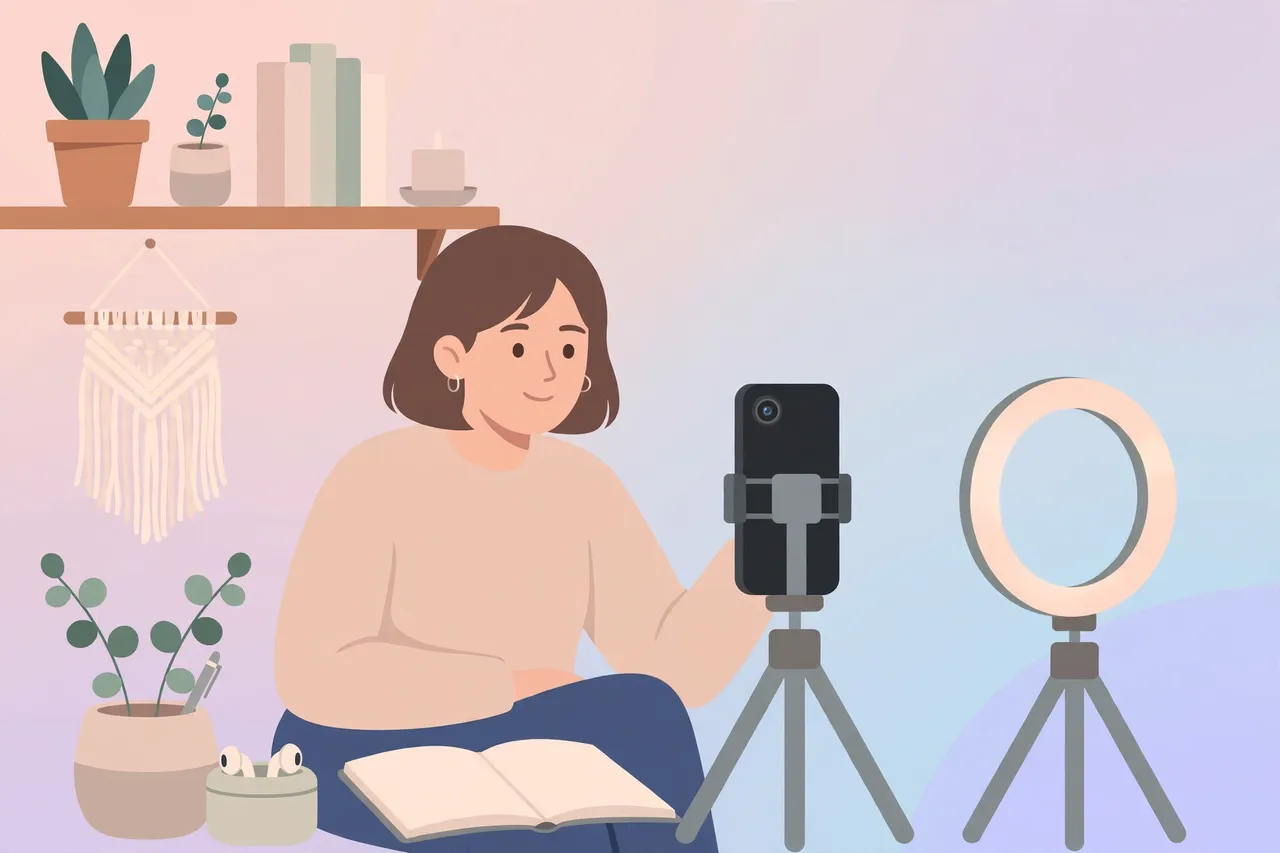
The hook is the opening of your video — the first words you say, the text on screen, or the first image viewers see. Its only job is to stop someone from swiping. Start with the most interesting moment, not with an introduction. “Stop making this mistake with your plants” beats “Hi everyone, welcome back to my channel” every single time.
Say the hook out loud and put the same words as text on screen. Keep the hook to one short sentence, make it specific, and make sure the video actually delivers what the hook promises — a misleading hook buys one view and loses a follower.
Keep it short and tight
For most topics, 15 to 30 seconds is the sweet spot for going viral. Short videos are easier to finish, easier to rewatch, and easier for TikTok to test on a wide audience. Cut anything that does not earn its place: long pauses, repeated points, slow intros. If a sentence does not add information or entertainment, remove it.
Ride trending sounds — early

Sounds are one of TikTok’s biggest discovery tools. When a sound starts trending, TikTok shows videos using it to people who have already engaged with that sound. Using a trending sound puts your video in front of a ready-made audience that is already in the mood for it.
The key word is early. A sound at the start of its rise helps you far more than a sound everyone has already heard a thousand times. Spend 10 minutes a day scrolling your For You page and note which sounds keep appearing. TikTok also marks trending sounds in the sound picker when you create a video. Pick sounds that fit your topic — a random trending song on a serious video feels wrong and viewers swipe away.
Use captions and on-screen text
Captions do three jobs at once. They let silent viewers follow your video, they tell TikTok what your video is about, and they make your content accessible to people who are deaf or hard of hearing. TikTok has a built-in auto-caption feature — turn it on for every video.
On-screen text works the same way. Put your hook as text in the first frame, and add short text labels for key points. Keep the text big, high-contrast and out of the edges of the screen, where TikTok’s buttons and captions cover it. If viewers have to squint, they will swipe.
Post when your audience is online
Posting time matters less than the video itself, but it still helps. A video posted when your audience is scrolling gets its first test audience faster, and fast early engagement helps TikTok decide to push it further. In general, evenings (7–10 pm) and lunch hours perform well, and weekends are strong for entertainment and lifestyle content.
Better than any general rule is your own data. Switch to a free TikTok creator or business account and check your analytics: TikTok shows you the hours and days your followers are most active. Post at those times for two weeks and compare the results with your previous schedule. Our guide on how to grow followers on Instagram organically covers the same habit of reading your own numbers instead of copying someone else’s schedule.
Use hashtags the smart way
Hashtags help TikTok understand your video’s topic, but they are not magic. Use 3 to 5 relevant hashtags: a mix of one broad tag (like #LearnOnTikTok or #FoodTok), one or two topic tags (like #PastaRecipe), and one niche tag specific to your angle. Avoid stuffing 20 popular hashtags — it looks desperate, and TikTok’s system reads your caption and video content far more than your hashtag list.
Never use misleading hashtags to chase a bigger audience. Tagging a cooking video #Dance will show it to dancers who swipe away instantly — and every fast swipe tells TikTok your video is bad. Relevance beats reach, every time.
Post, measure and repeat

Going viral is a numbers game with a learning curve. Most creators post dozens of videos before one takes off — and when it does, it is usually because they learned from the ones that did not. After each video, check three numbers in TikTok analytics: average watch time, the percentage who watched to the end, and where viewers dropped off. If most people leave at second 4, your hook needs work. If they leave halfway, your middle is too slow.
Common mistakes that stop videos going viral
- Starting with an introduction. Your name and welcome waste the 2 seconds that matter most. Start with the hook.
- Posting watermarked videos. Downloading a video from another app and re-uploading it hurts distribution. Always upload a clean original file.
- Chasing every trend. Off-topic trends bring the wrong audience, who leave fast and drag your numbers down.
- Ignoring the first hour. Replying to early comments and sharing your video in the first hour helps its first test. Posting and disappearing does not.
- Buying views or followers. Fake engagement is easy for TikTok to detect, and it poisons your account’s data — your real videos get shown to bots, not people.
- Giving up after 10 videos. Most viral creators posted for weeks or months before their first hit. The algorithm needs time to learn who likes your content.
Frequently asked questions
Conclusion
To go viral on TikTok, forget luck and focus on the system: a hook that stops the scroll in 2 seconds, a short video people watch to the end, a trending sound, clear captions, and consistent posting on one topic. TikTok gives every video a fair test — your job is to make a video that passes it. Post, check your analytics, fix the weakest part, and post again. The creators who go viral are rarely the most talented — they are the ones who kept testing until the algorithm noticed. If you also post on Instagram, our guide to how to write a bio for Instagram will help turn new TikTok visitors into followers there too. For a deeper look at how short-video tools and ranking work, see our roundup of the best AI SEO tools.
Sources: TikTok Support Center — https://support.tiktok.com/en; TikTok Newsroom — https://newsroom.tiktok.com/en-us
How many followers do you need to go viral on TikTok?
You need zero followers. TikTok shows every video to a small test audience first, based on the video itself — not on your follower count. New accounts go viral regularly because the For You page is driven by interest, not by who you follow.
What is the best length for a viral TikTok video?
For most topics, 15 to 30 seconds works best, because short videos are easier to finish and rewatch. Tutorials and stories can run 45 to 60 seconds if every second holds attention. The best length is the shortest length that still delivers the full idea.
Do hashtags help a TikTok video go viral?
They help a little, by telling TikTok what your video is about. Use 3 to 5 relevant hashtags. Hashtags alone will never make a weak video go viral — watch time, completion rate, shares and saves matter far more.
What time should I post on TikTok to go viral?
Post when your audience is online — usually evenings between 7 and 10 pm, and lunch hours. Check your own TikTok analytics for the exact hours your followers are active, and test posting at those times for two weeks.
Why did my TikTok video stop getting views?
TikTok tests each video in rounds. If early viewers swipe away quickly or do not engage, TikTok stops showing it to new groups. Check where viewers dropped off in analytics — a drop in the first 3 seconds means the hook failed; a drop halfway means the middle was too slow.
Can I repost the same TikTok video?
You can, but re-uploading the identical video rarely performs as well, and TikTok may treat it as duplicate content. A better approach is to remake the idea with a fresh hook, a different sound or a tighter edit — and learn from what the first version’s analytics told you.